Research project

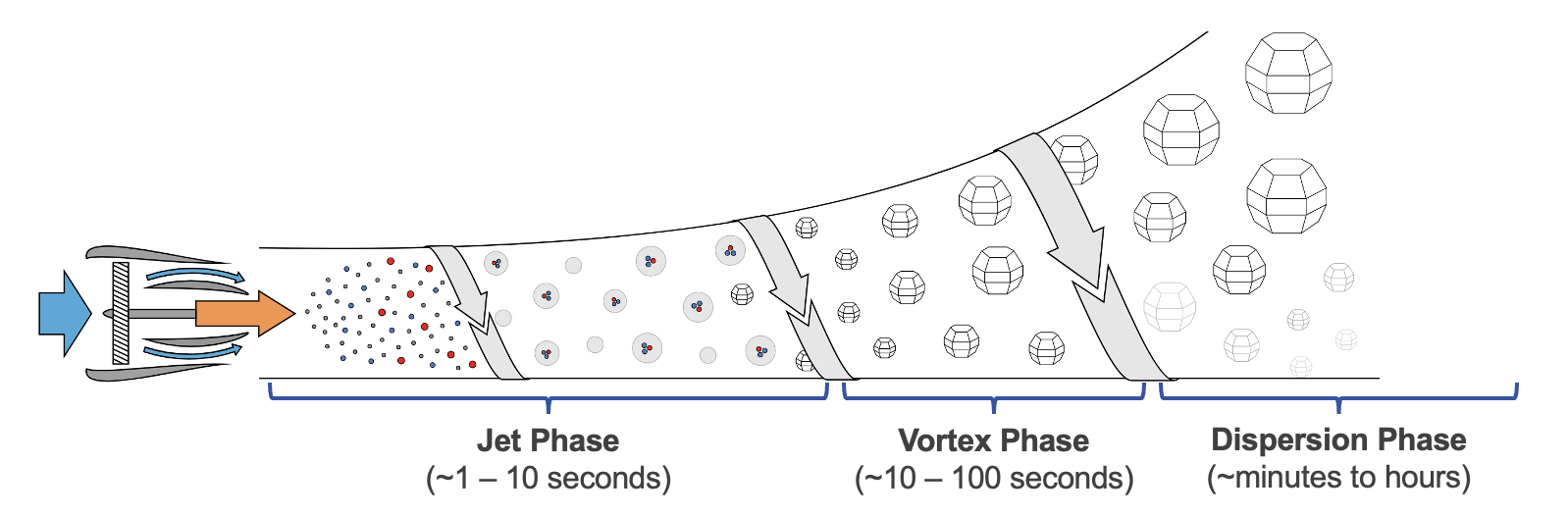
Contrail formation depends on how ice particles activate and grow in young aircraft exhaust. Because persistence and climate forcing are tightly linked to particle distributions and ambient atmospheric conditions, improving the physical fidelity of early plume modeling is essential for better impact assessment.

Diagram illustrating contrail formation

Problem context

As sustainable aviation fuel technologies continue to evolve, there is a growing need to understand how changes in fuel composition and engine exhaust properties may alter contrail formation and climate impacts. Quantifying these sensitivities is essential for evaluating whether emerging propulsion and fuel strategies reduce aviation climate impacts in practice, rather than only at the level of CO₂ accounting.
Method

Approach

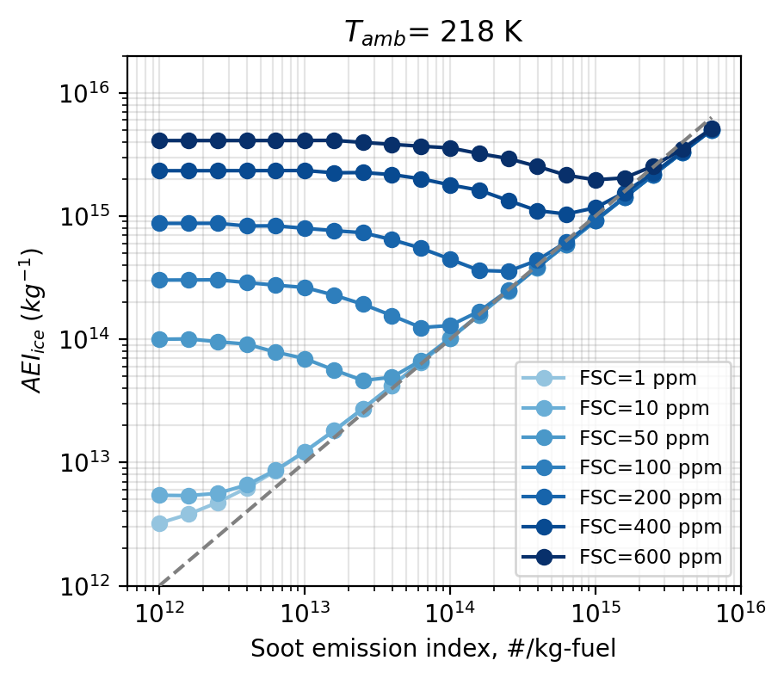
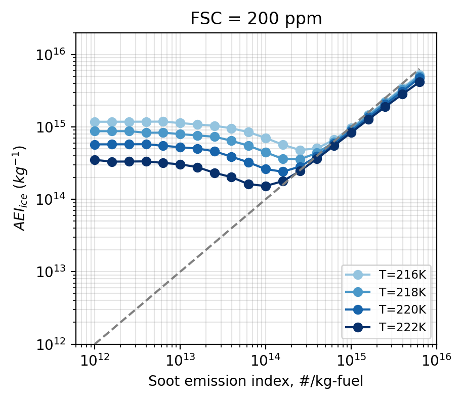
Develop an advanced early plume model that captures the role of fuel sulfur content (FSC) and soot emissions index on ice particle activation and growth.

Integrate the new microphysics treatment into the APCEMM framework.

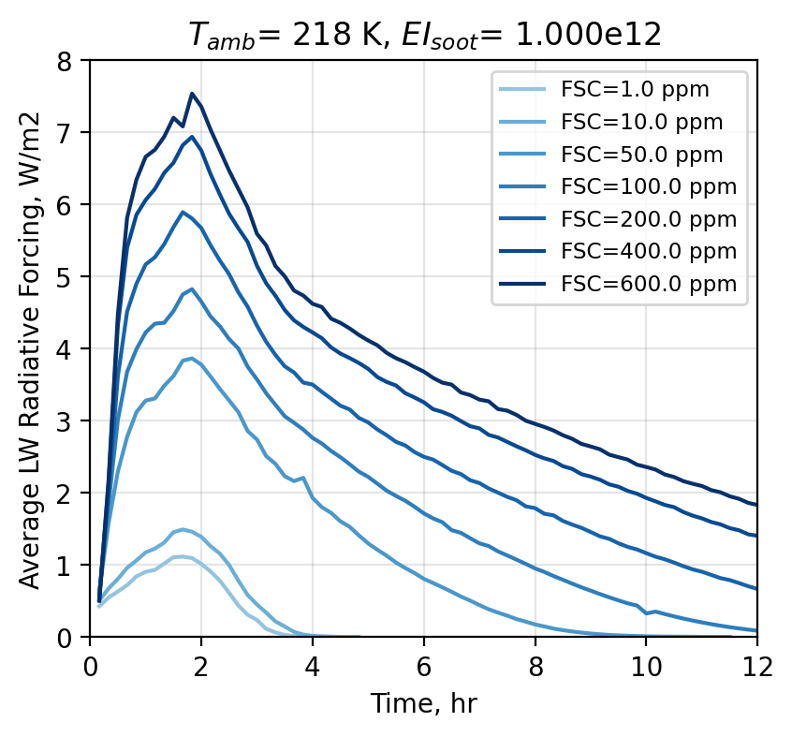
Couple the model with rapid radiative transfer tools to estimate how climate forcing responds to changes in engine design parameters and representative ambient conditions.

Fuel sulfur content sensitivity figure
Temperature sensitivity figure
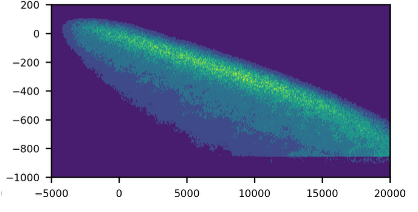
APCEMM framework figure
Radiative forcing sensitivity figure

Novelty

What is new

  • Connect contrail radiative forcing sensitivities directly to engine exhaust parameters.
  • Assess whether sulfur plays a meaningful role in the established Schmidt-Appleman framework for modern engines.
  • Provide a physics-based path to evaluate how sustainable aviation fuels may influence contrail formation.

Impact

Why it matters

  • Improve understanding of how exhaust conditions affect contrail formation and persistence.
  • Support more realistic assessments of aviation climate impacts.
  • Create a bridge between engine design choices and contrail climate forcing outcomes.