AI for Research Pilot — Summer 2026

Multi-sensor framework for enhanced
contrail observation capabilities
Marlene V. Euchenhofer

PhD Student · MIT AeroAstro · Laboratory for Aviation and the Environment
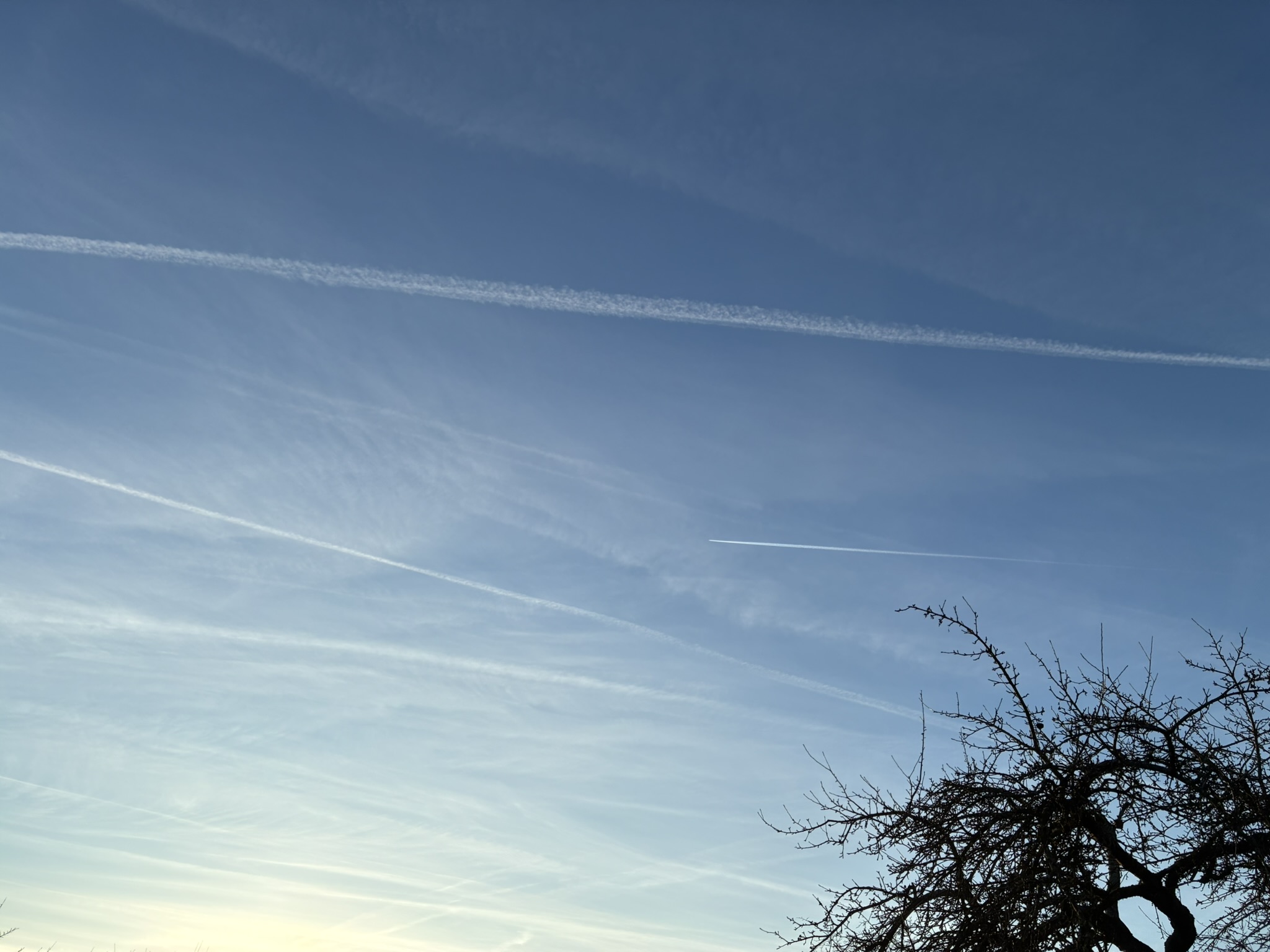
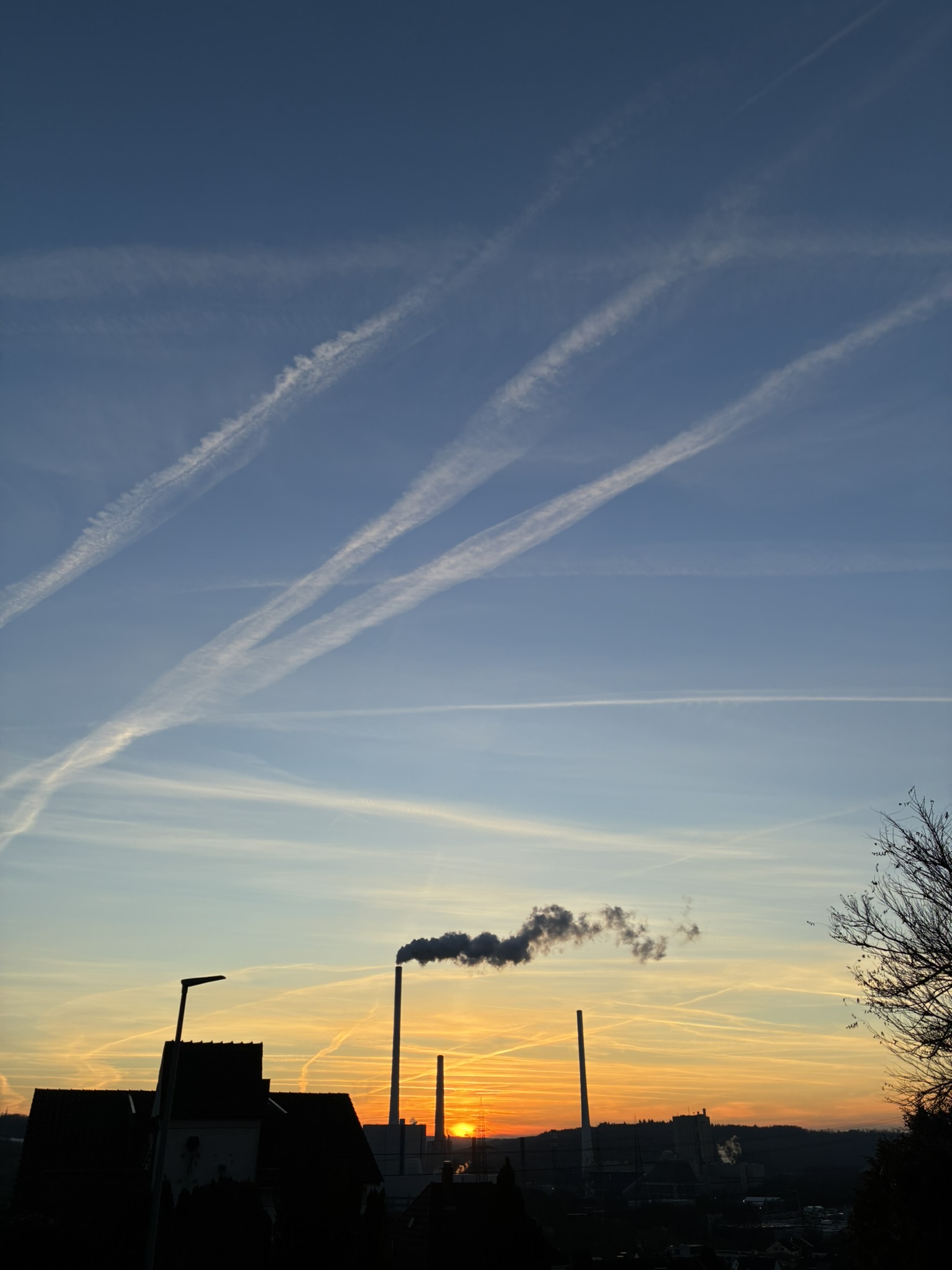
Contrail forming over Esslingen am NeckarContrail forming over Esslingen am Neckar
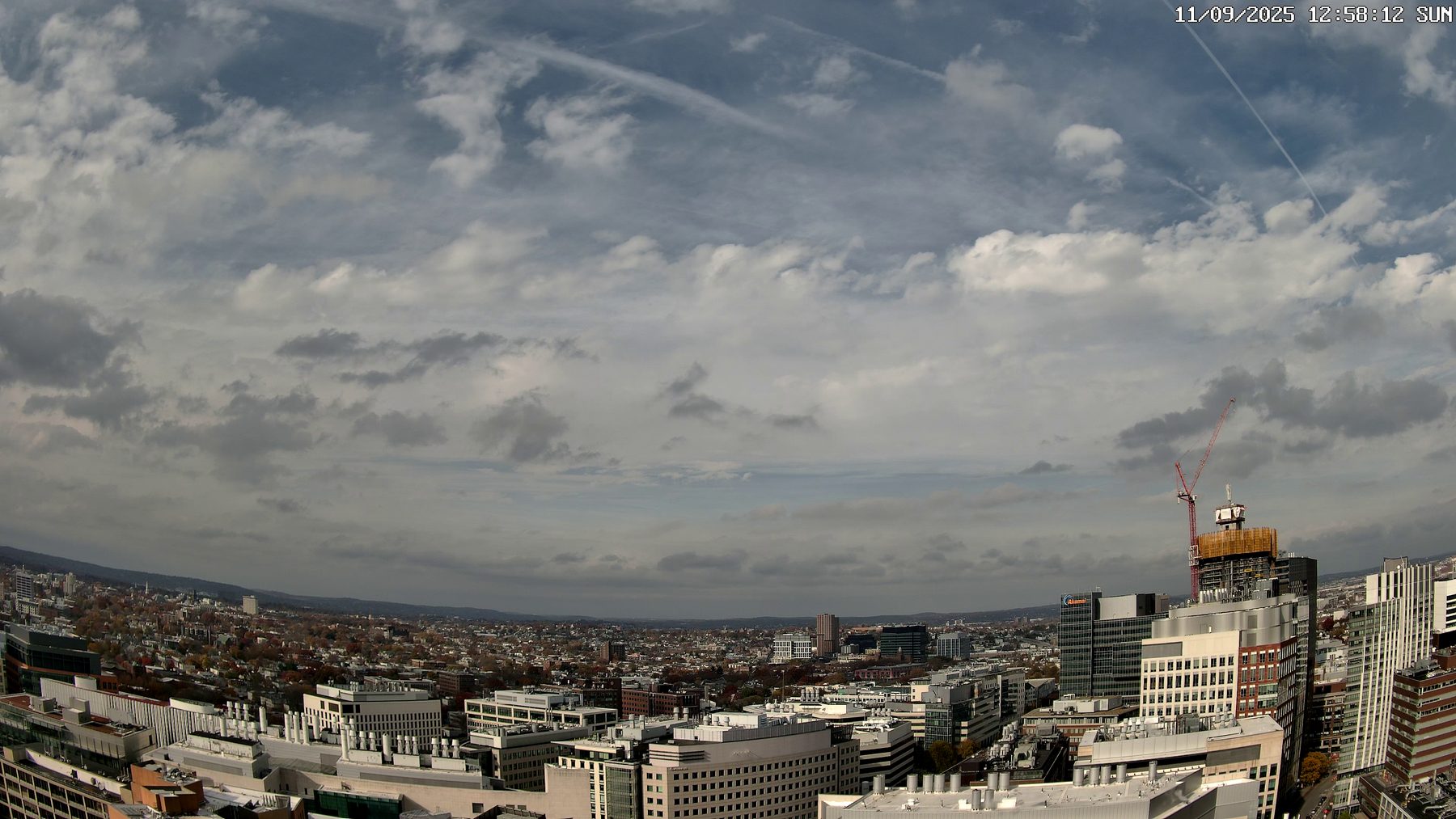
LAE sky camera capturing a cloudy day with contrailsLAE sky camera capturing a cloudy day with contrails
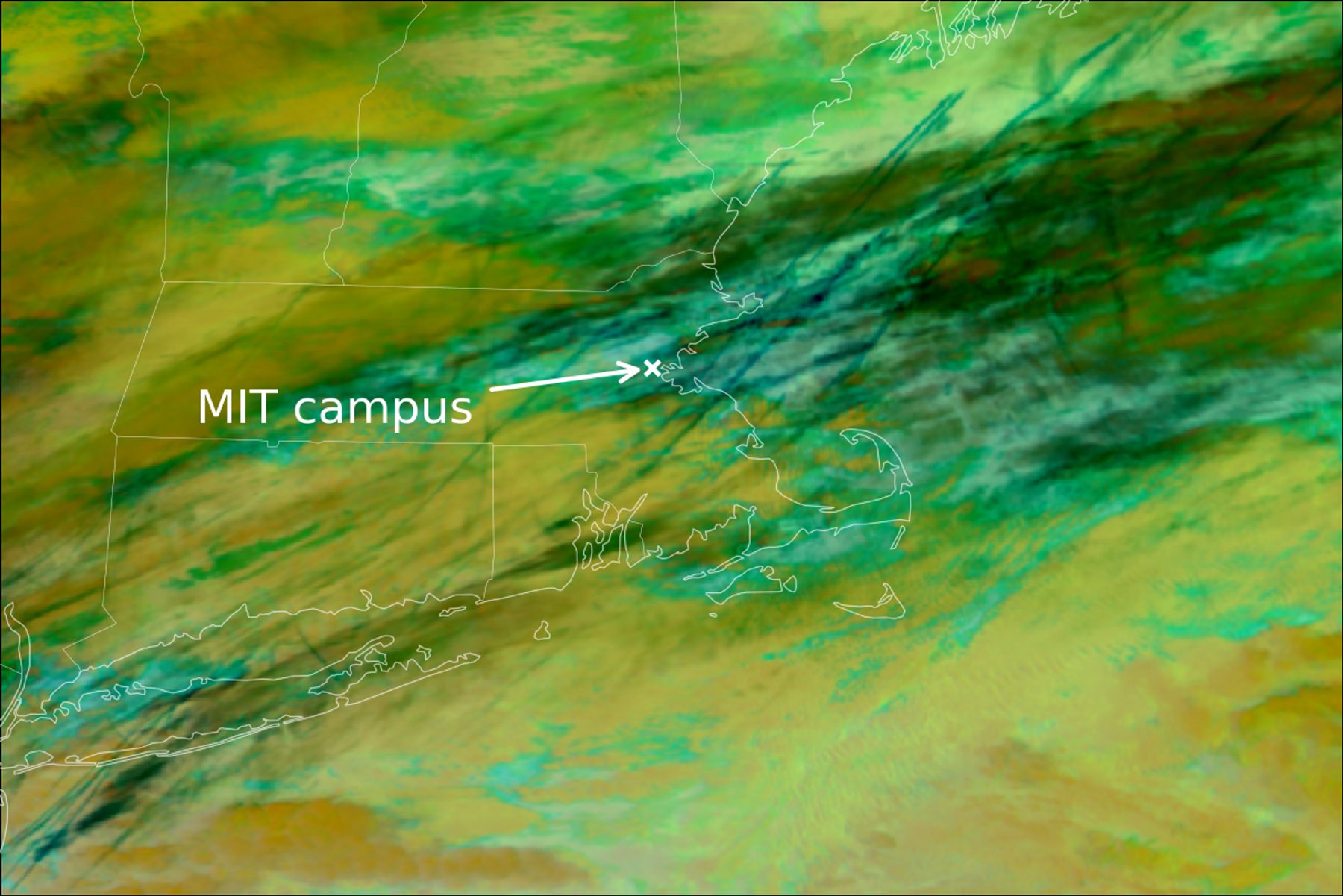
False color image of contrail-heavy VIIRS overpass over MassachusettsFalse color image of contrail-heavy VIIRS overpass over Massachusetts
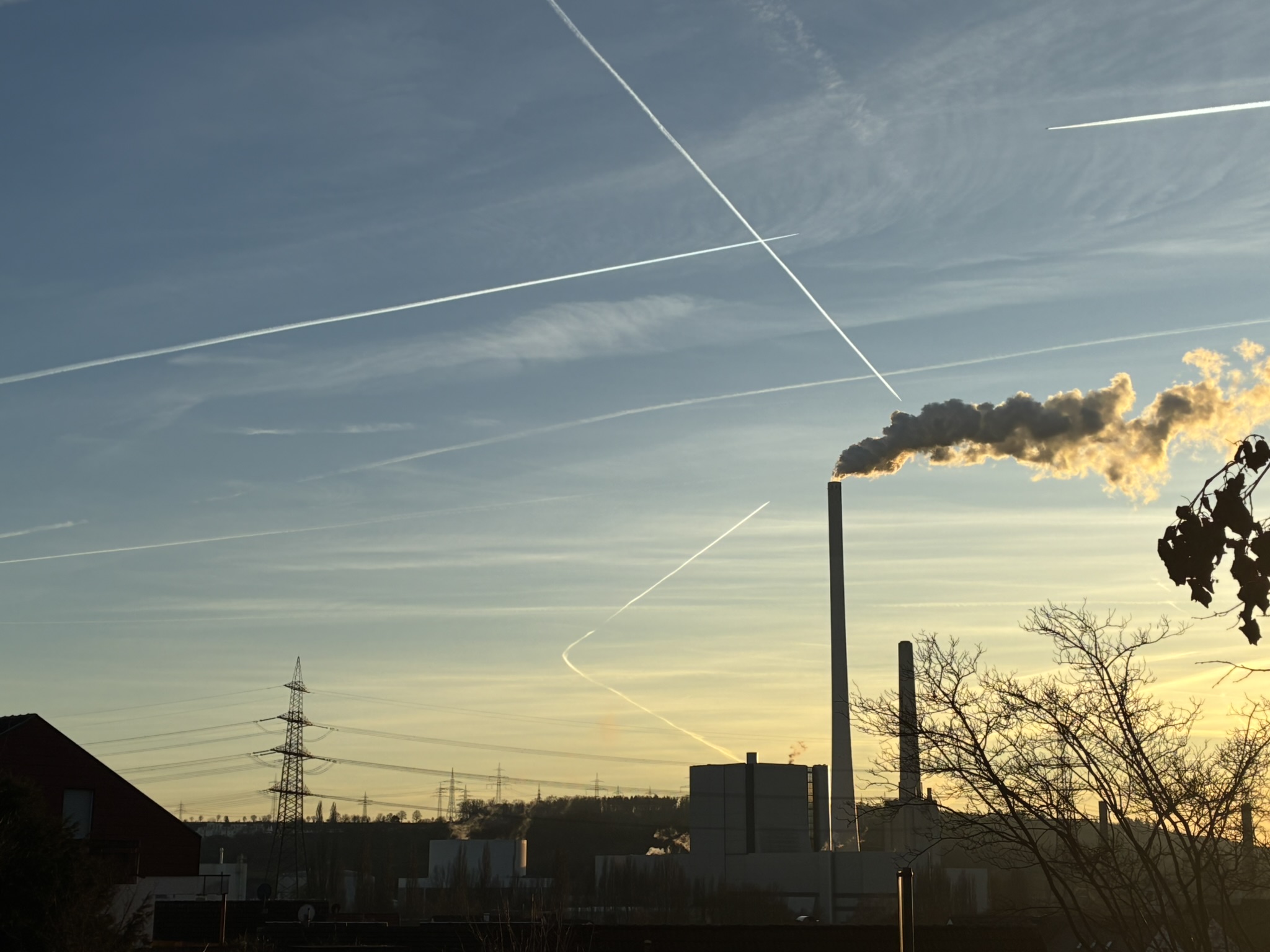
Contrails in the skyPersistent contrails
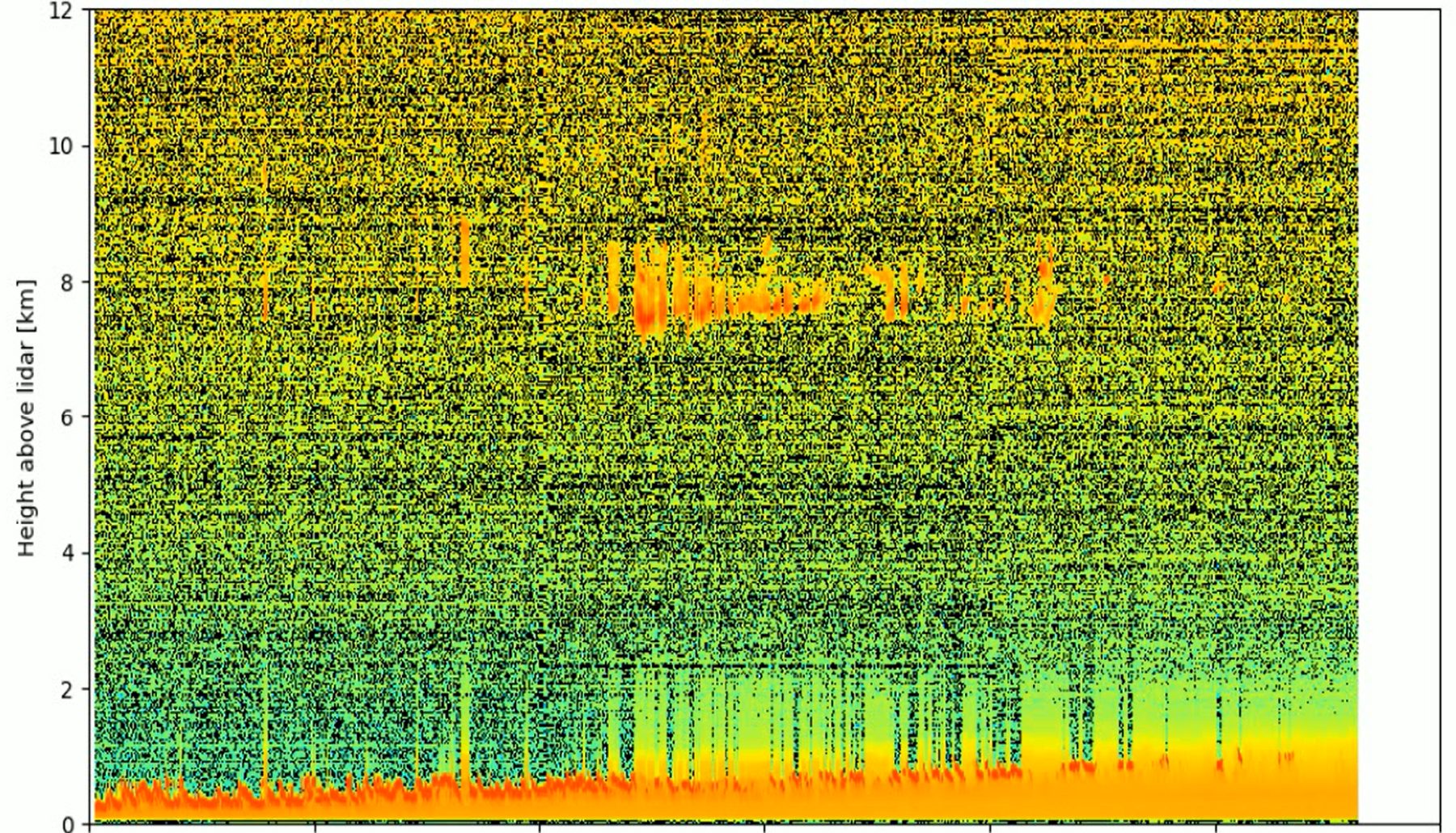
Lidar backscatter profileLidar backscatter profile
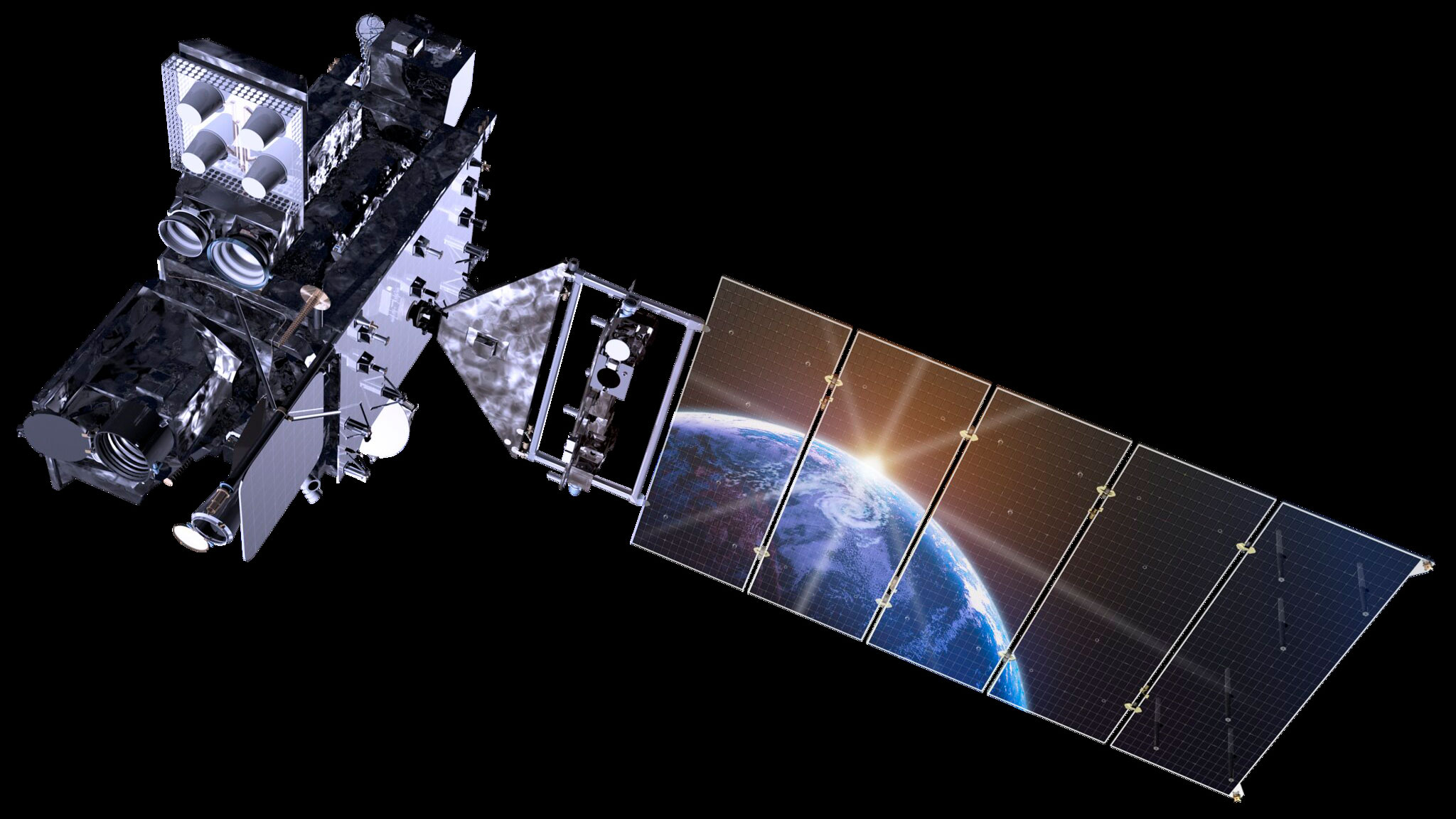
GOES-16 ABI satellite imageryGOES-16 ABI
Contrail spreadingContrail spreading
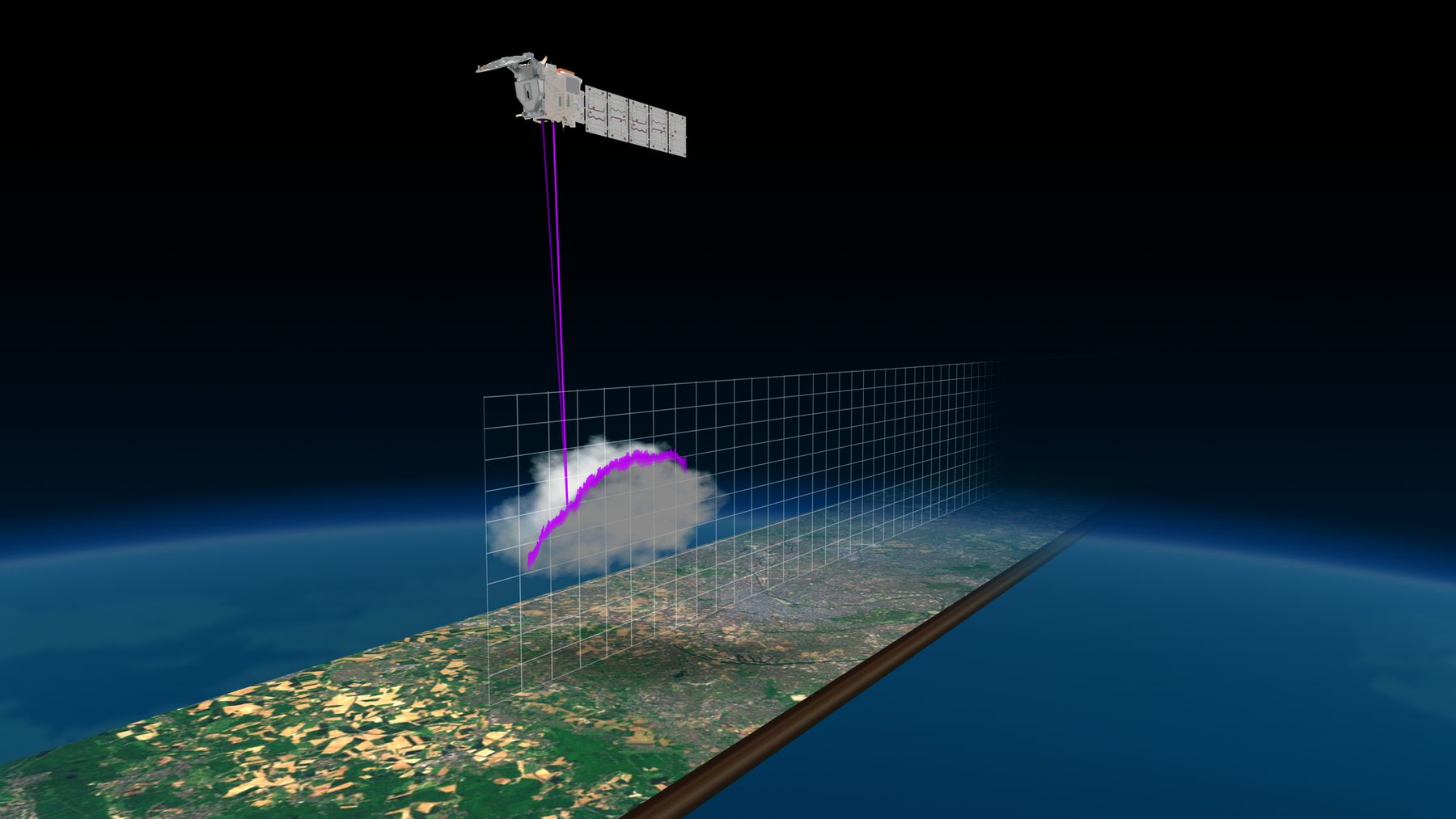
EarthCARE lidar cross-sectionEarthCARE lidar
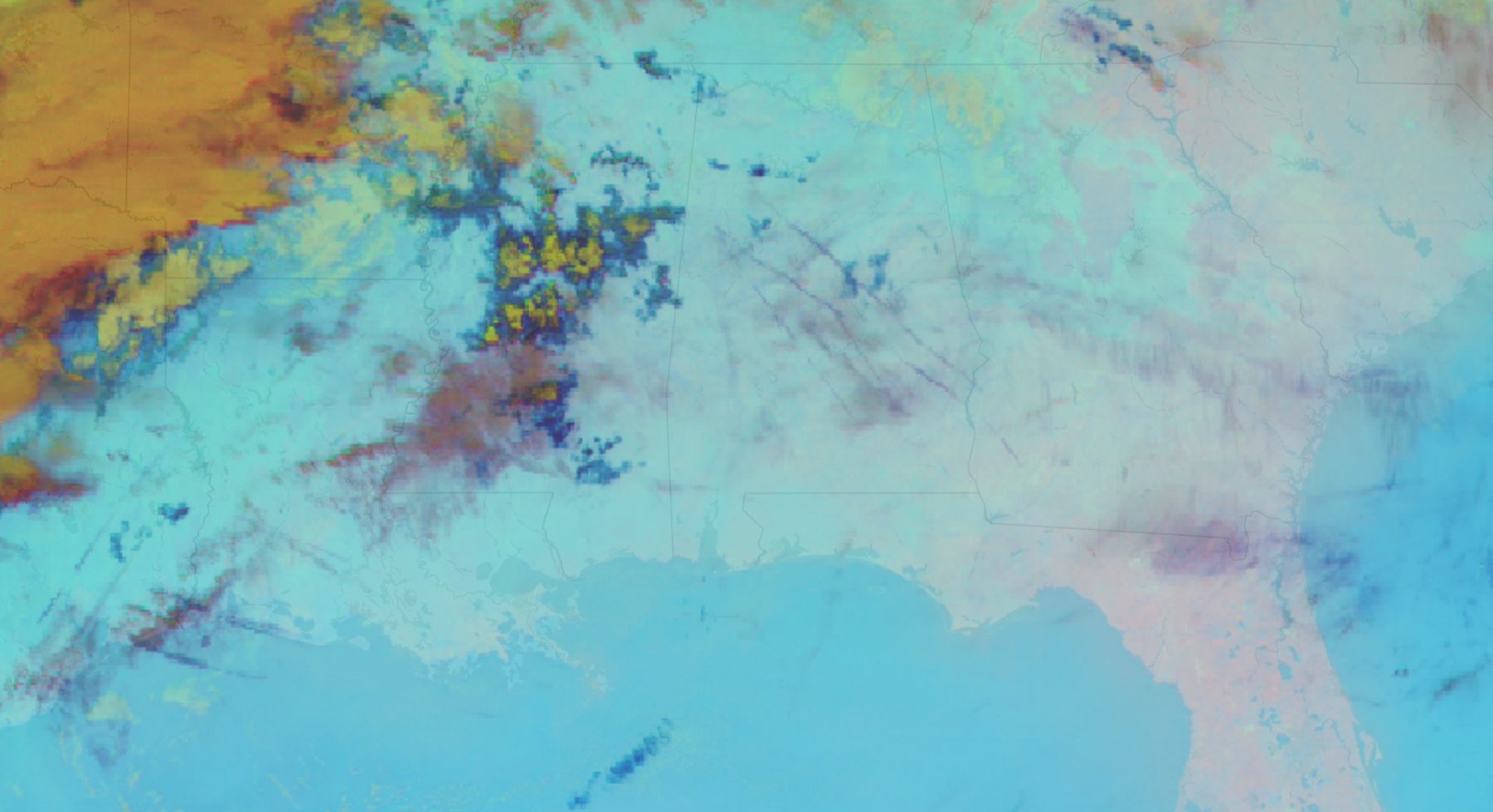
False color GOES ABI image over the Southern USFalse color GOES ABI image over the Southern US
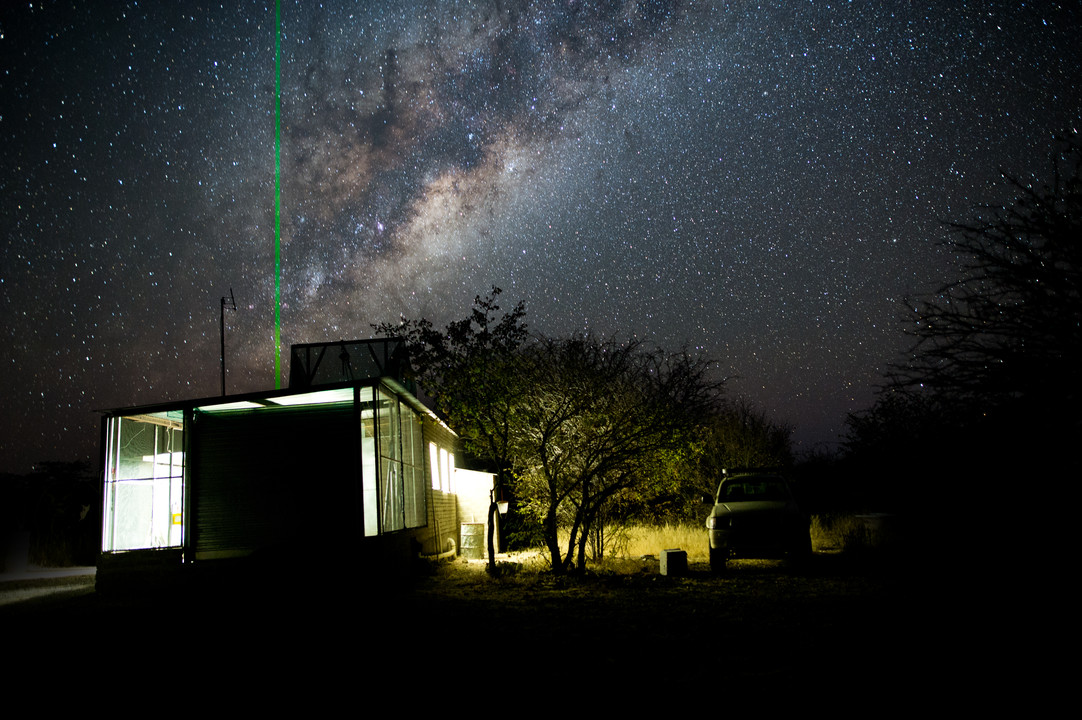
Micro-pulse lidar instrumentMicro-pulse lidar
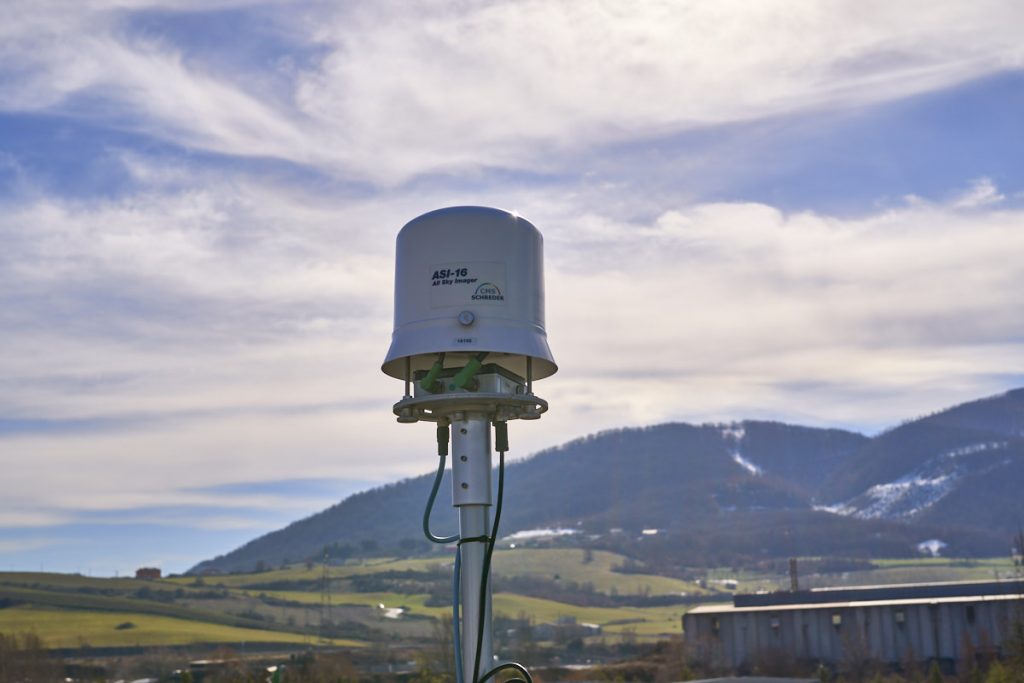
All-sky imagerAll-sky imager
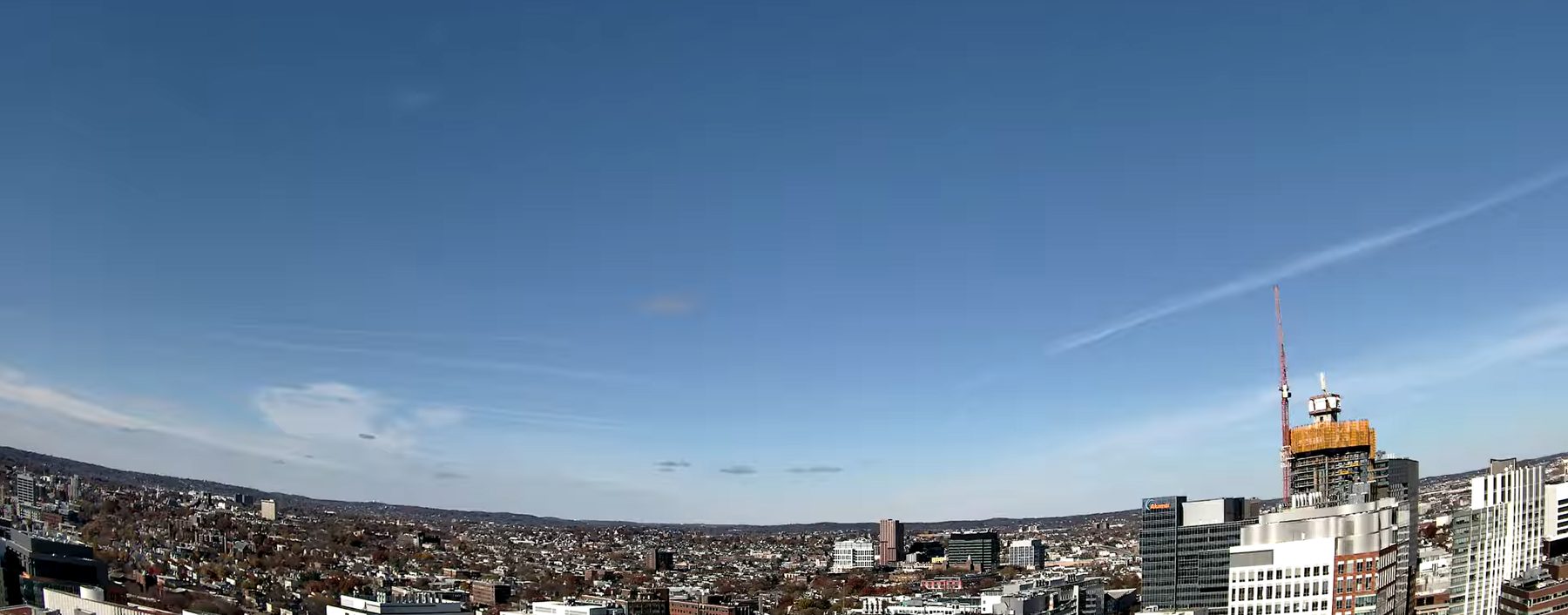
LAE sky camera capturing a clear day with some contrailsLAE sky camera capturing a clear day with some contrails
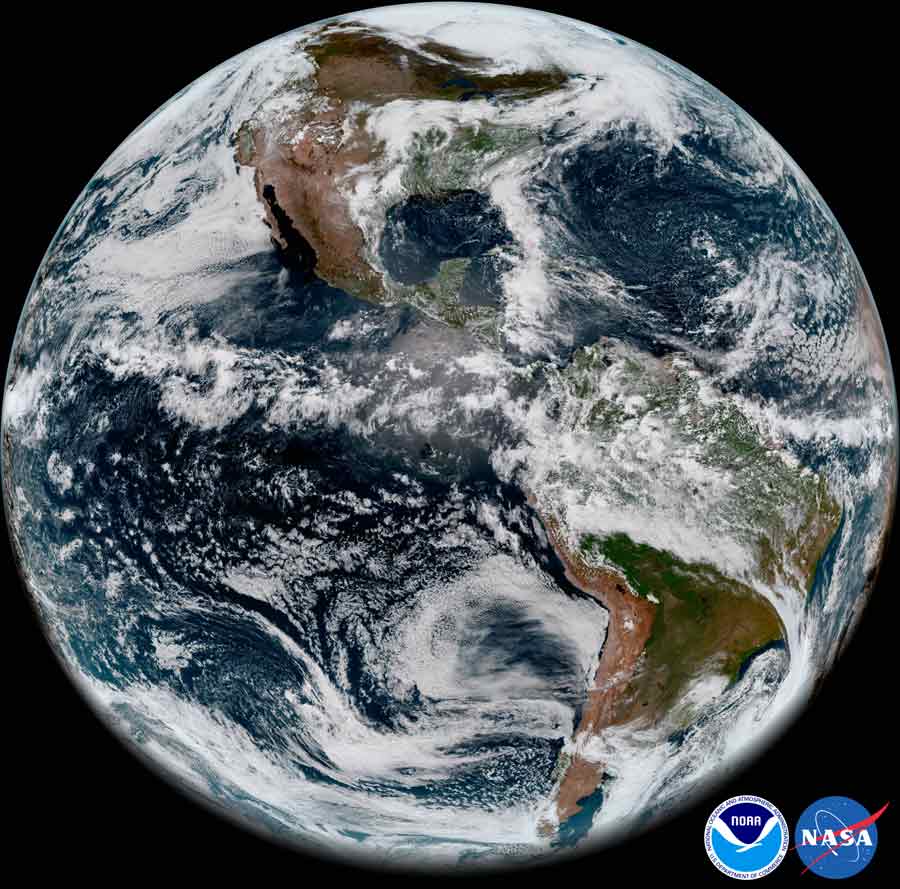
GOES-17 ABI Full Disk imageGOES-17 ABI Full Disk image
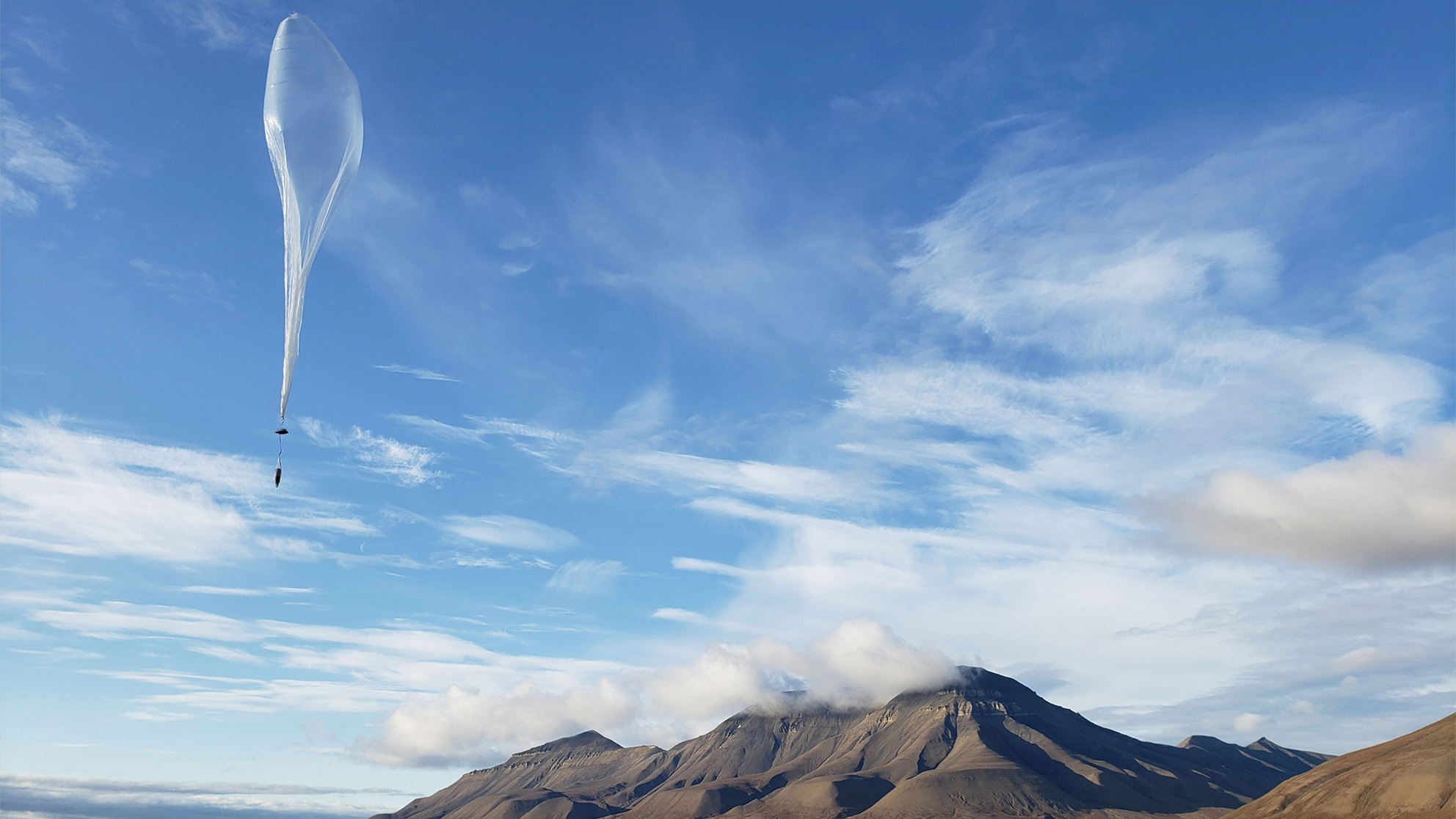
WindBorne radiosonde balloonWindBorne radiosonde

Multi-Sensor Framework for Enhanced
Contrail Observation Capabilities

Contrails — those white lines aircraft trace across the sky — are more than a visual curiosity. They are a significant component of aviation's climate impact, and understanding atmospheric conditions is key to their mitigation.

☁

The Problem

Persistent contrails form in ice-supersaturated atmospheric layers and can last for hours, interacting with Earth's radiative budget. While individual contrails can be cooling or warming, their net effect is warming — making them a major component of aviation's total climate footprint.

🔀

A Promising Solution

Contrail avoidance — small vertical flight deviations to skirt ice-supersaturated layers — can dramatically reduce persistent contrail formation. The additional fuel burn is small compared to the potential climate benefit. But it requires confident, real-time knowledge of atmospheric conditions.

🔭

The Challenge

Current contrail simulations show inconsistencies — between models, and between models and observations. Observational data struggles with spatial/temporal trade-offs, and confidently identifying the absence of a contrail is as hard as detecting one.

🛰

This Project

I am building a framework that fuses multiple observational platforms — geostationary satellites (GOES ABI), low-Earth orbit imagers (VIIRS), ground cameras, lidars (MPLNET, EarthCARE), and radiosondes (GRUAN, WindBorne) — into a unified 4D dataset. Combined with flight attribution, contrails can be identified, linked across platforms, and tracked over time.

Sensors & Platforms
GOES ABI Geostationary
VIIRS Low-Earth Orbit
Sky Cameras Ground-based
MPLNET Lidar Network
EarthCARE ESA Lidar/Radar
Radiosondes GRUAN / WindBorne

AI Log & Reflections

A running log of weekly AI usage and reflections on AI-assisted research progress.

Marlene V. Euchenhofer

Hi, I'm Marlene.

Originally from Esslingen am Neckar, Germany, I grew up with a curiosity about how things worked and how they could be improved. I graduated with a B.S. in Aerospace Engineering from the University of Stuttgart in 2023, having spent an exchange semester at KTH Royal Institute of Technology in Stockholm, where my enthusiasm for reducing aviation's climate impact took off.

I came to MIT in 2023, received my S.M. in Aeronautics and Astronautics in 2025, and am now working towards my PhD in the Laboratory for Aviation and the Environment, advised by Prof. Ian A. Waitz.

My research focuses on improving our capabilities to observe contrails — with the goal of better verifying contrail predictions and supporting observation-based contrail avoidance. When I'm not in the lab, you'll find me running along the Charles, playing guitar, or cooking.

✈ Aviation Climate Impact 🛰 Remote Sensing 🇩🇪 → 🇸🇪 → 🇺🇸 🎸 Guitar 🏃 Running

Tracing a Path Through the Sky

Click a milestone on the timeline to fly to it on the map.

Fall 2000

Born in Esslingen am Neckar

Growing up in the Neckar Valley, Germany, with the Swabian Alb in the background.

Summer 2019

High School Graduation

Graduated from Gymnasium Plochingen — and set sights on aerospace engineering.

Fall 2019

University of Stuttgart

Began B.S. in Aerospace Engineering at Campus Vaihingen.

August 2022

KTH Royal Institute of Technology

Exchange semester in Stockholm, Sweden — where the passion for aviation's climate impact ignited.

February 2023

Bachelor Thesis — H2FLY GmbH

Worked with hydrogen fuel cell startup H2FLY in Untertürkheim on sustainable aviation.

Summer 2023

B.S. Aerospace Engineering

Defended Bachelor Thesis and graduated from the University of Stuttgart.

Fall 2023

MIT — Laboratory for Aviation and the Environment

Began graduate school at MIT in Cambridge, MA, joining the Laboratory for Aviation and the Environment, first under Sebastian Eastham and then under Prof. Ian Waitz.

Spring 2025

S.M. in Aeronautics and Astronautics

Received Master of Science from MIT.

Summer 2025

PhD Research — Contrail Observation

Working on the multi-sensor contrail observation framework.